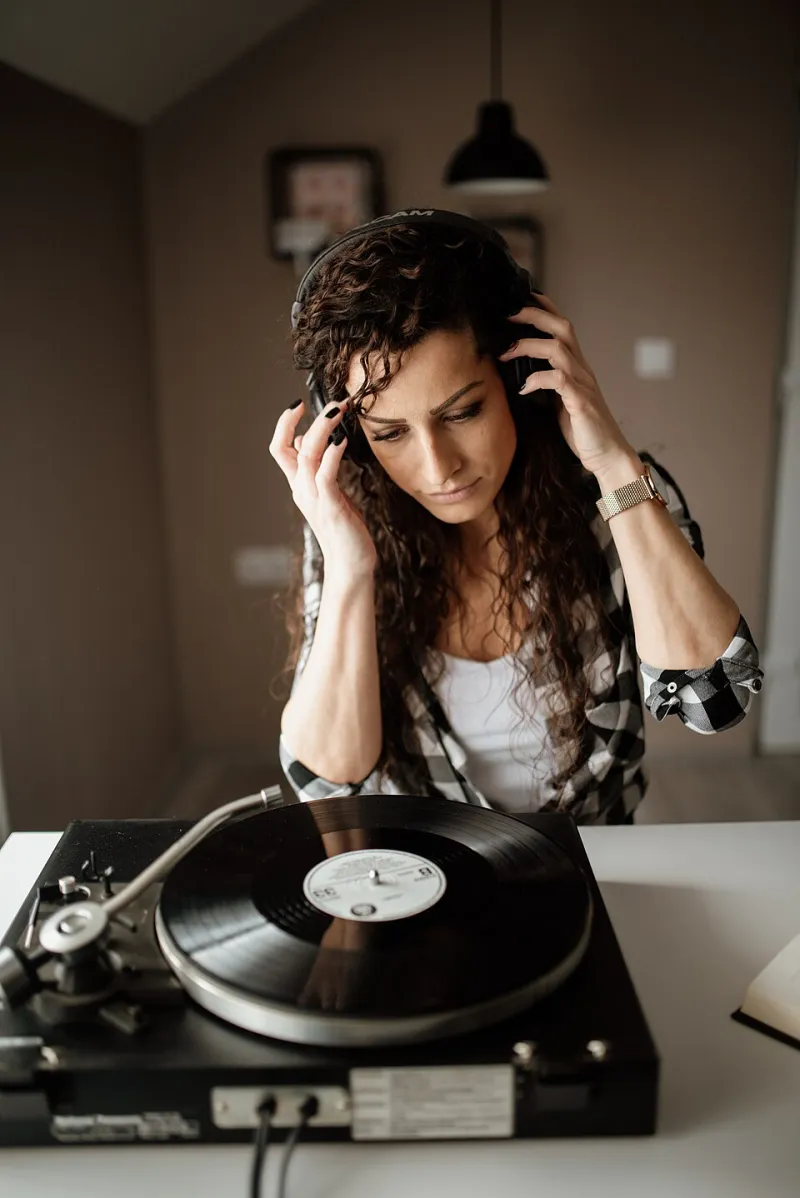
Nobody Drives Anymore at 8 A.M. — So Why Are Talk Shows Louder Than Ever?
The morning commute built American talk radio, but remote work tore up the map. Here's where listeners actually plug in now — and the hosts who followed them out of the car.
Category
22 articles
The morning commute built American talk radio, but remote work tore up the map. Here's where listeners actually plug in now — and the hosts who followed them out of the car.
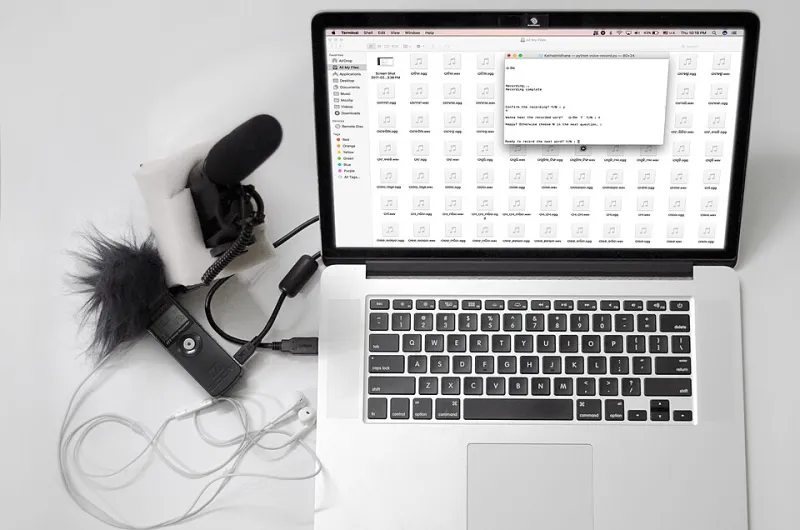
A growing crew of American broadcasters is running full talk networks from spare bedrooms and converted garages. We talked gear, licenses, and audience-building with the DIY crowd — and asked the obvious question: does the next big voice even need a tower?
Ed McMahon had a catchphrase and a chair. Today's co-hosts have producer credits and fan bases of their own. We talk to the number twos who make number ones sound great — and why every strong host secretly needs one.
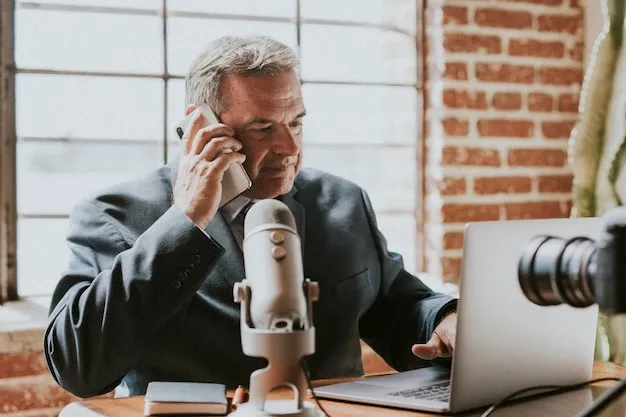
Every talk radio station has them — the callers who ring in so often they practically need their own segment. Hosts and producers are opening up about the delicate dance of managing repeat callers without breaking the spell that keeps listeners coming back.
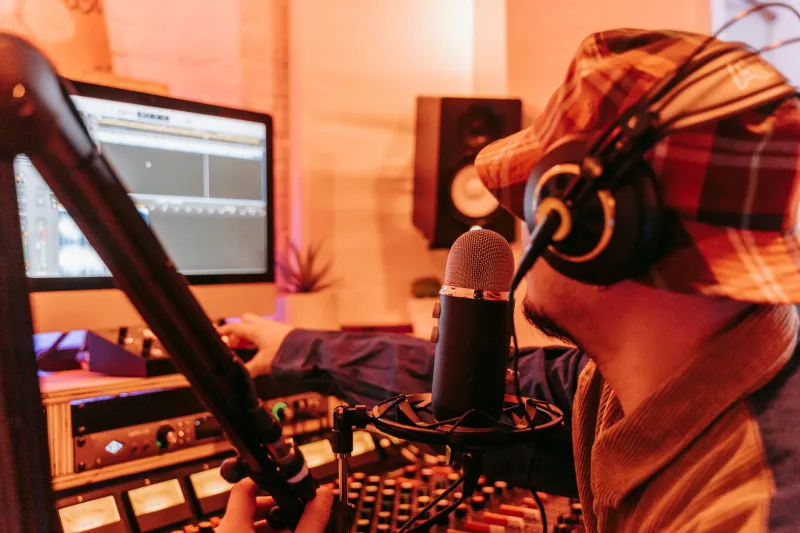
Every viral radio moment, every tearful confession, every laugh-out-loud segment has a producer fingerprint on it. These are the people who shape what you hear without ever making a sound themselves. We went behind the glass to find out how they really do it.
They had the ratings, the contracts, and the loyal audiences — and then they just stopped. A growing number of talk radio's biggest names are walking away from the microphone at the exact moment most people would be doubling down, and the reasons run a lot deeper than burnout clichés.
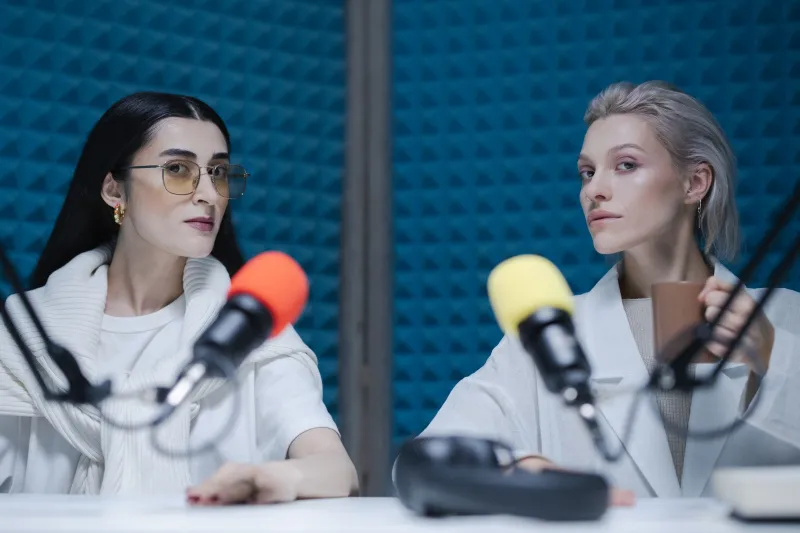
Every new broadcaster is taught to fear silence like it's a four-letter word. But the hosts who've been doing this for decades know something the rookies don't — sometimes the most powerful thing you can do on air is absolutely nothing. We dug into the psychology and craft behind strategic pausing, and what we found might change how you listen forever.
Behind every live talk radio show is a quiet war being fought in the call queue. Veteran screeners and hosts have developed near-instinctive abilities to sniff out trolls, scammers, and bad faith callers long before a single word hits the airwaves. We went inside the process to find out exactly how they do it.
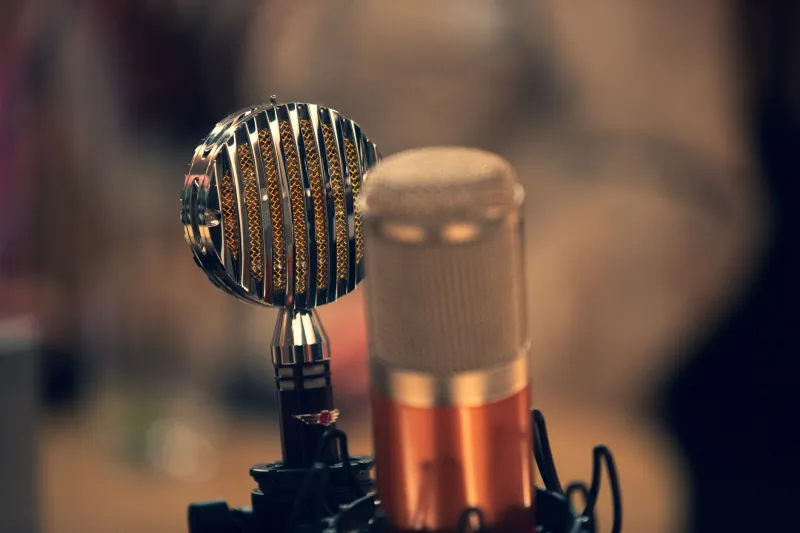
Every talk radio station has them — the stories passed around like contraband between hosts, producers, and longtime listeners. Some are about callers who vanished mid-sentence. Others are about voices so iconic they stopped feeling real. These are the urban legends that quietly shaped an entire medium.
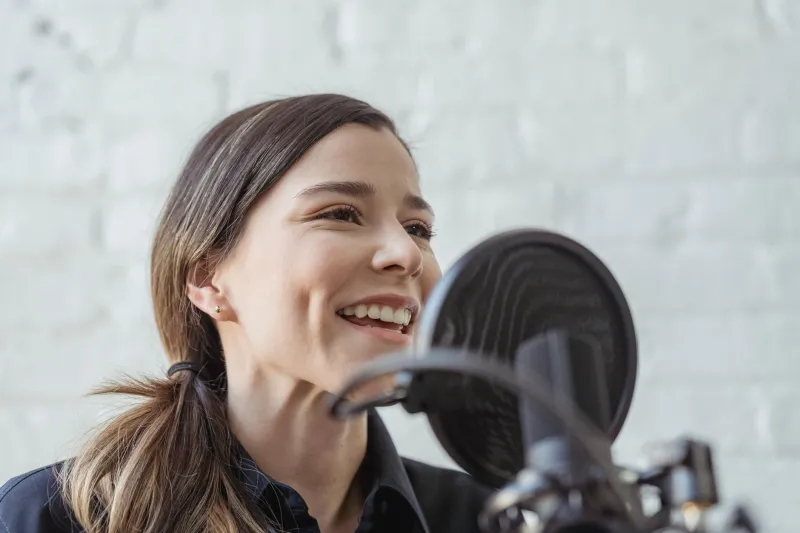
While influencers grind for followers and engagement rates, a surprising number of talk radio hosts are building serious business ventures the old-fashioned way — by talking to people who actually listen. The secret weapon isn't an algorithm. It's a relationship built one broadcast at a time.
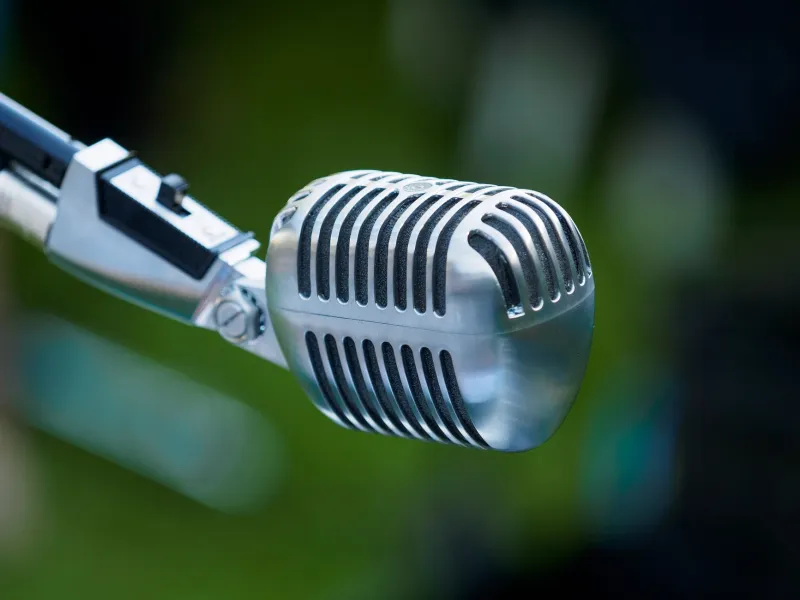
Some calls just fill airtime. Others rewrite history. We dug into talk radio's most seismic phone-in moments—the ones that sparked legislation, ignited movements, and left hosts genuinely shaking behind the mic.
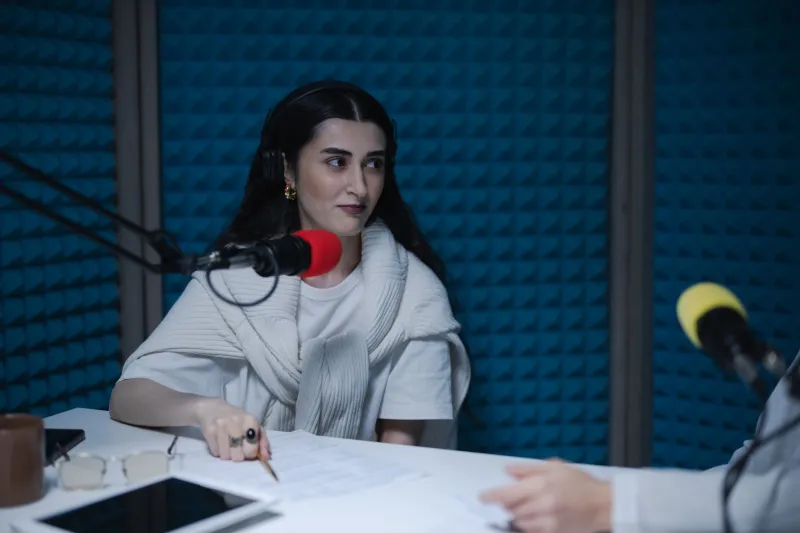
Every talk radio host is sitting on a pile of stories they'll never be allowed to tell. From legal landmines to off-the-record confessions, the material that gets buried is often the most fascinating stuff of all — and it quietly shapes everything that does make it to air.
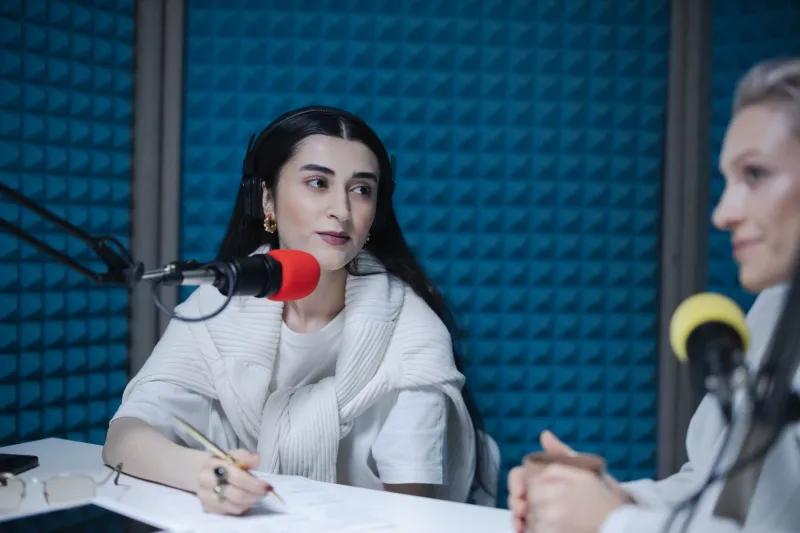
Step inside a radio booth and something weird happens to your sense of time. No windows, no audience, no visual feedback — just a mic, a voice, and a conversation that can stretch or compress in ways that defy logic. We talked to hosts about the moments this time distortion produced some of their most unforgettable radio.
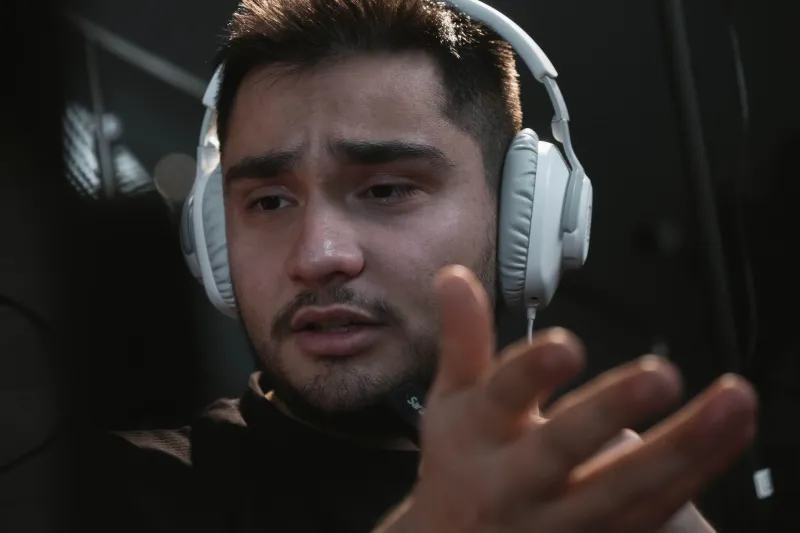
Every talk radio host has a story about the broadcast that almost broke them — the guest who went rogue, the feed that died mid-sentence, the silence that stretched so long it felt like a month. These aren't just war stories. They're the moments that define what live radio actually is.
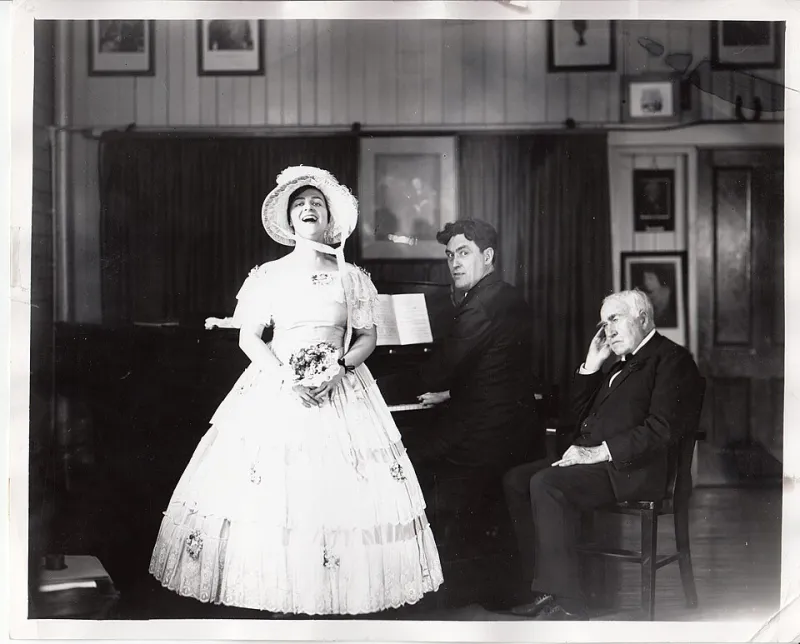
Forget LinkedIn influencers and overbooked guidance counselors — a growing number of Gen Z listeners are finding the career advice they actually need on talk radio. Hosts who never set out to be mentors are suddenly fielding questions about job offers, burnout, and what to do when your boss is a nightmare. We dug into why the mic has become one of the most trusted voices in young people's professional lives.

Overnight talk radio hosts occupy a strange and singular space in American media — part entertainer, part stranger, part reluctant keeper of secrets. Long after the rest of the country has gone to sleep, something unusual happens on the airwaves that daytime broadcasting simply cannot manufacture.
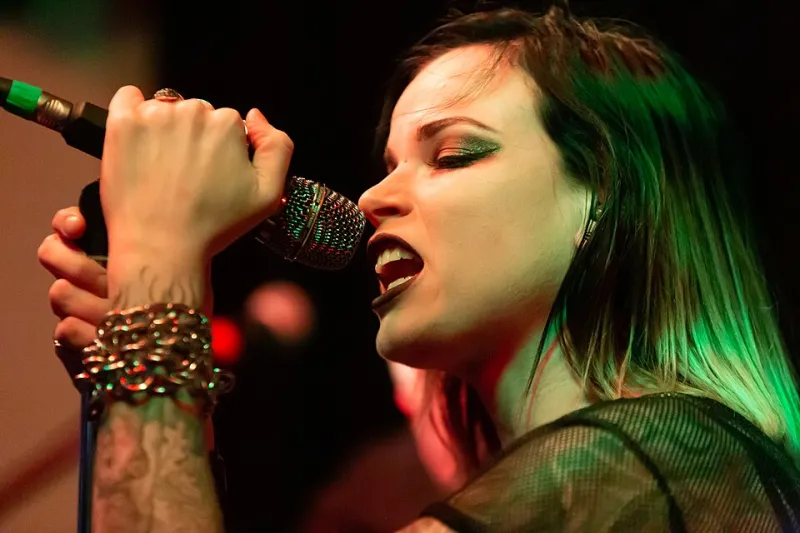
Something unexpected happened while the rest of media was chasing louder, flashier content — a growing slice of the audio world got quieter. Intimate confession shows, ASMR-adjacent talk formats, and late-night parasocial programming have quietly built a billion-dollar industry around vulnerability. We dug into who's making it, who's listening, and why streaming platforms are betting enormous sums on the sound of a human whisper.
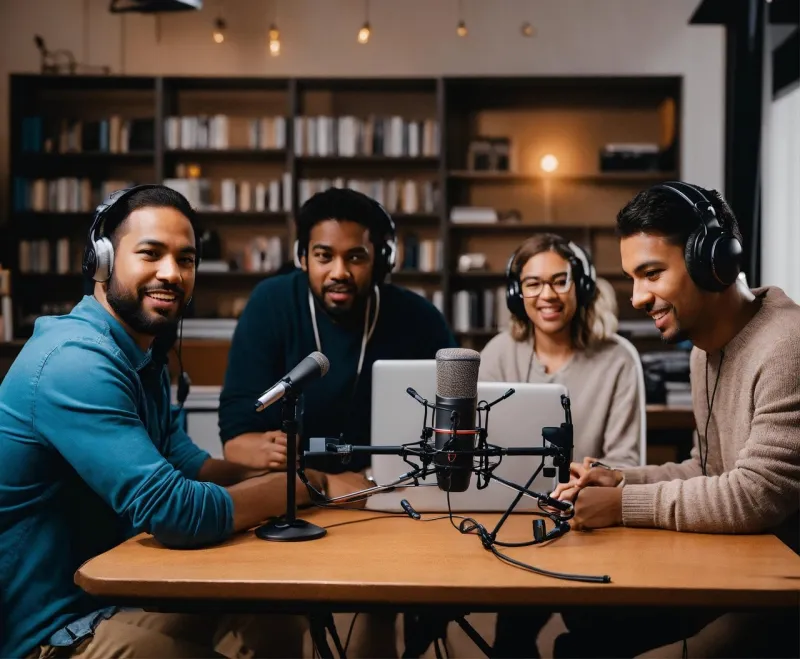
Forget the myth that you need a network deal or a major market station to make talk radio pay. A new generation of independent hosts is building real, sustainable careers — and some of them are doing it from their spare bedrooms. Here's what the money actually looks like.
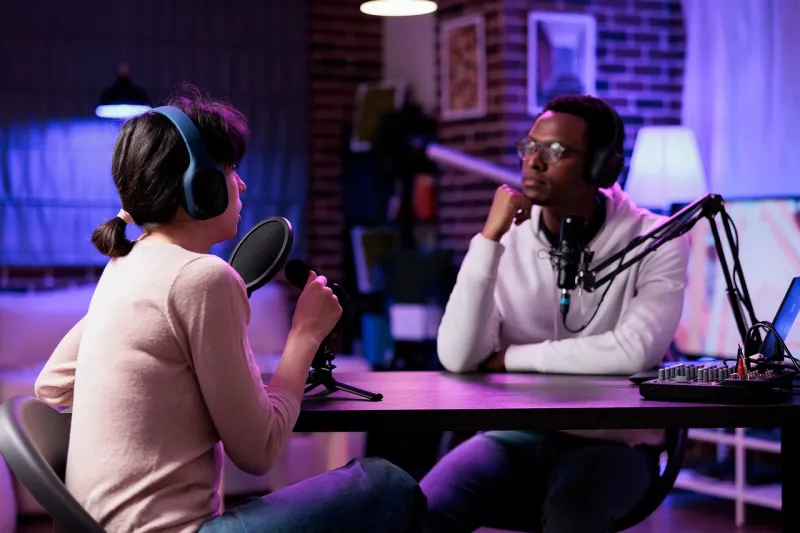
The old playbook for breaking into talk radio—college station, small market grind, slow climb up the dial—is getting rewritten in real time. A new generation of hosts is showing up with podcast followings, TikTok communities, and niche obsessions instead of broadcasting degrees, and the industry is starting to pay serious attention. Here's how they got here.
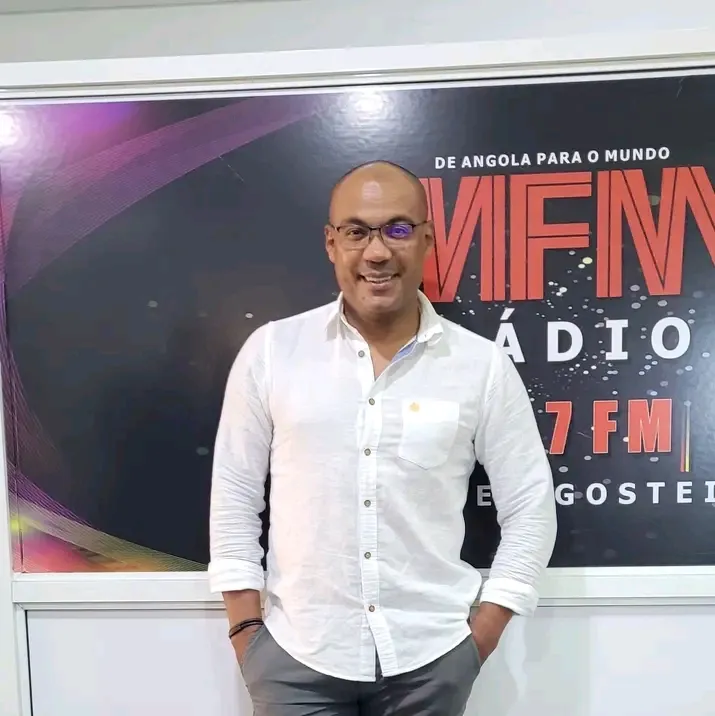
When the rest of the country goes dark, a different kind of radio takes over. Overnight talk radio runs on insomniacs, long-haul truckers, and night-shift workers — and the hosts who keep them company have mastered a craft that daytime broadcasters rarely understand.
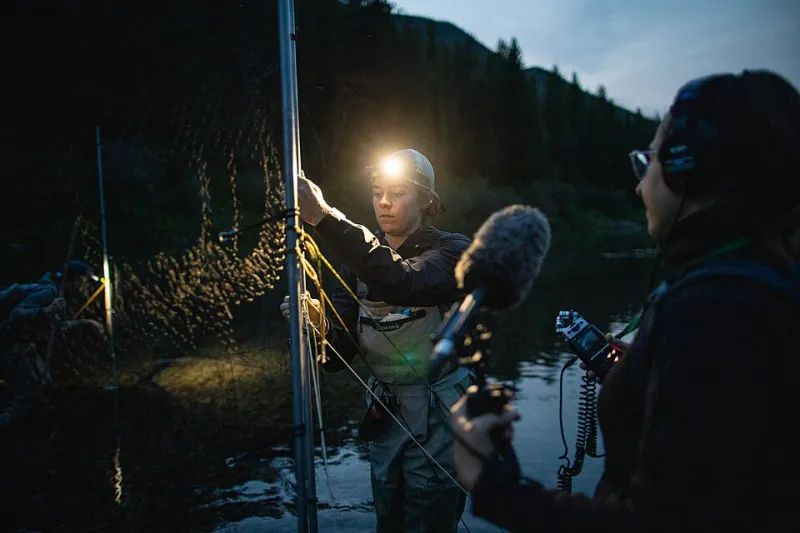
Forget the big studio and the network deal. Today's most exciting voices in talk radio are recording in spare bedrooms, kitchen tables, and repurposed closets — and building fiercely loyal audiences in the process. We profile the independent creators who are proving you don't need a gatekeeper's permission to get on the air.
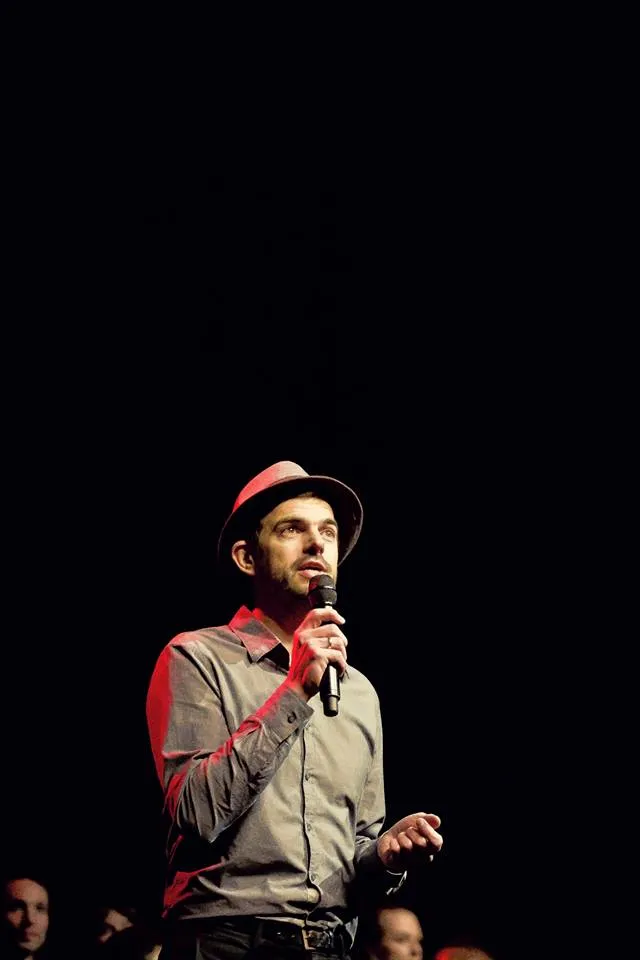
Some of the biggest names in talk radio didn't just survive career-ending controversies — they used the wreckage to build something stronger. From coast to coast, hosts who got knocked off the air found that the audience never really left. Their secret weapon? Keeping it real, every single time.